One Piece is the fastest-growing card game in the hobby, and its prices confuse people coming from Pokémon. The same character can exist as a common, a super rare, an alternate art and a manga-art secret rare, each with its own price. Here is how the pieces fit, and how to make sure you are pricing the right one.
The rarity ladder
- Common, Uncommon, Rare — the bulk of every set. Playable cards hold a little value; most are pennies.
- Super Rare (SR) — the chase cards of a set's normal pulls. This is where real prices start.
- Secret Rare (SEC) — the rarest in the set, usually a key character. Always worth checking.
- Leader — the card your deck is built around. Leaders are not rare on their own, but their alternate arts are.
The same card, five prices
Rarity is only half of it. One Piece prints many of its best cards in several versions, and each one is priced on its own:
- Normal — the standard printing.
- Foil — the same art with a holo finish. Modest bump over normal.
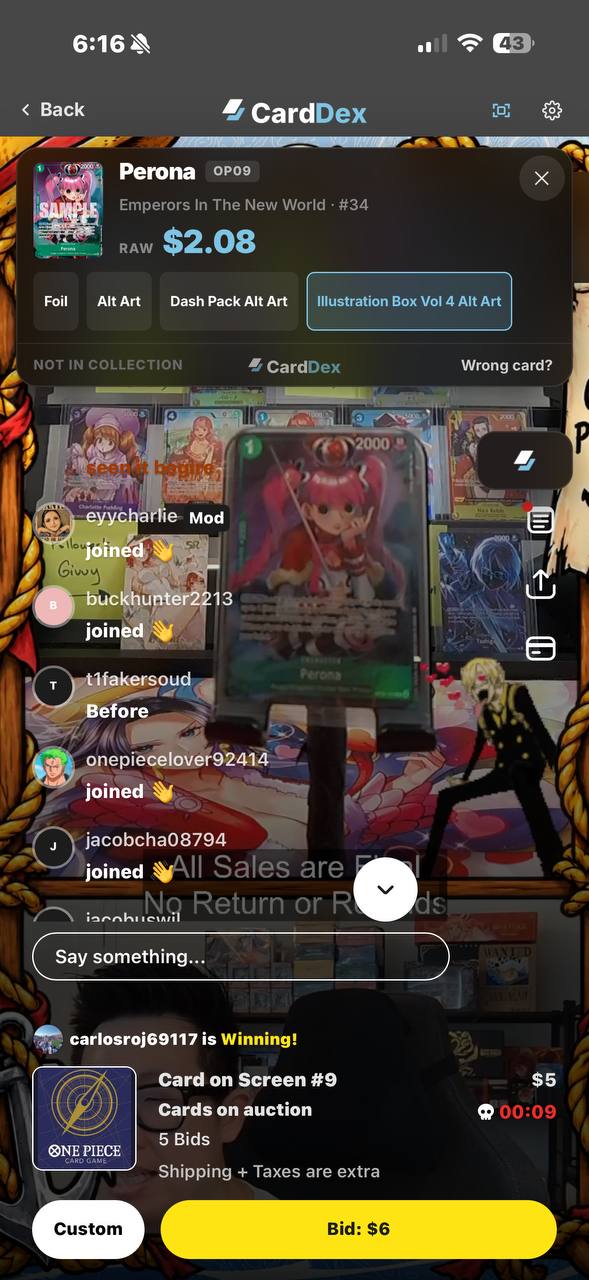
- Alternate art (parallel) — different artwork, usually the same card number with a different look. Often several times the normal price.
- Special alt art and manga art — the top of the ladder, with artwork lifted from the manga. These are the cards that reach hundreds of dollars.
- Pre-release and release-event stamps, Jolly Roger foils — promo versions from events, each with its own market.
What moves One Piece prices
- Playability — a card that wins tournaments spikes, and drops when a new set changes the meta. Leaders and key characters move the most.
- The anime and manga — a character's big moment on screen can lift every version of their cards for weeks.
- Reprints — One Piece reprints popular cards in later sets and starter decks. A reprint usually cools the original unless it is an alt art.
- English vs Japanese — the same card in Japanese is a separate market, usually cheaper for normal printings and sometimes pricier for alt arts.
Look it up the right way
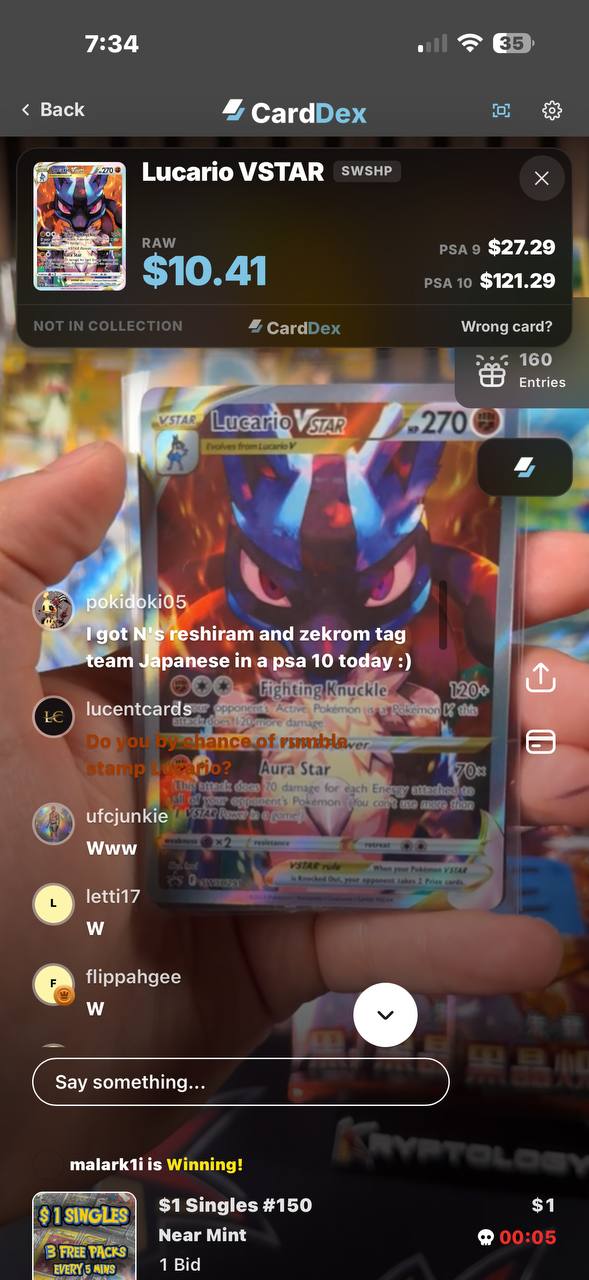
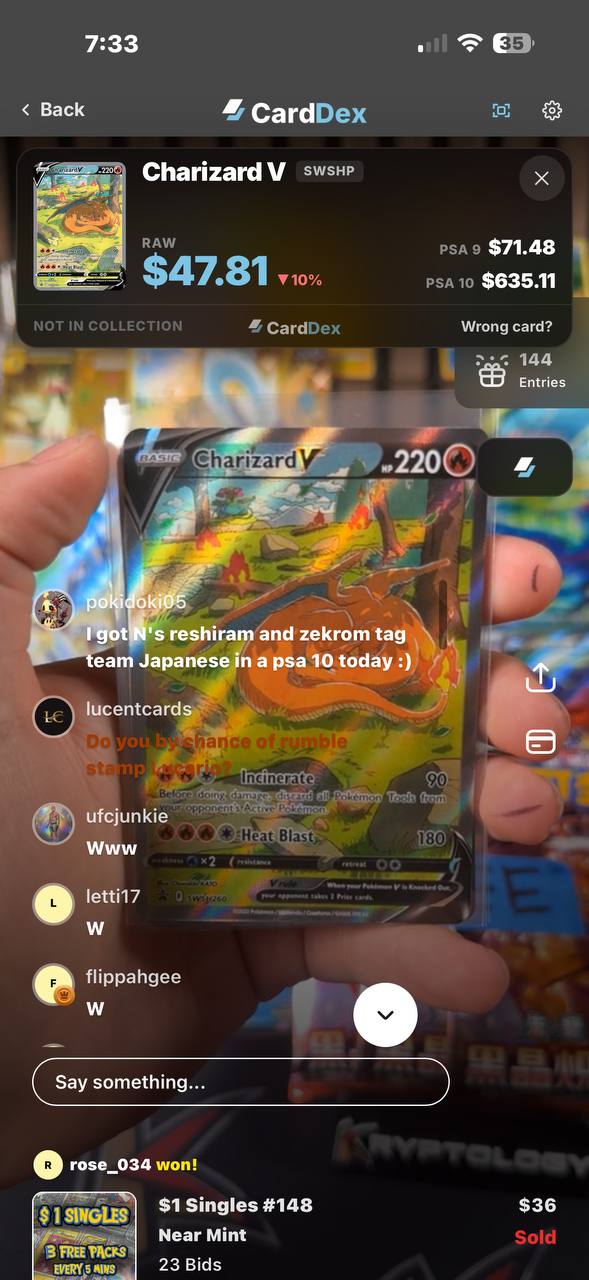
Every One Piece set is on CardDex — 60-plus sets, every card, every variant, with live market prices, and PSA, BGS and CGC prices for the chase cards that actually get graded. Open the set, find the card number, then pick the variant that matches what you are holding. Or just scan it: the camera identifies the exact printing, alt art included.
Free. Every set, every variant, live prices.