Most cards are not worth grading. The grading fee, shipping both ways and the wait only pay off when two things are true: the card is clean enough to land a high grade, and a high grade is worth meaningfully more than the raw card. This guide walks through both checks in a few minutes.
Check 1: would it actually grade well?
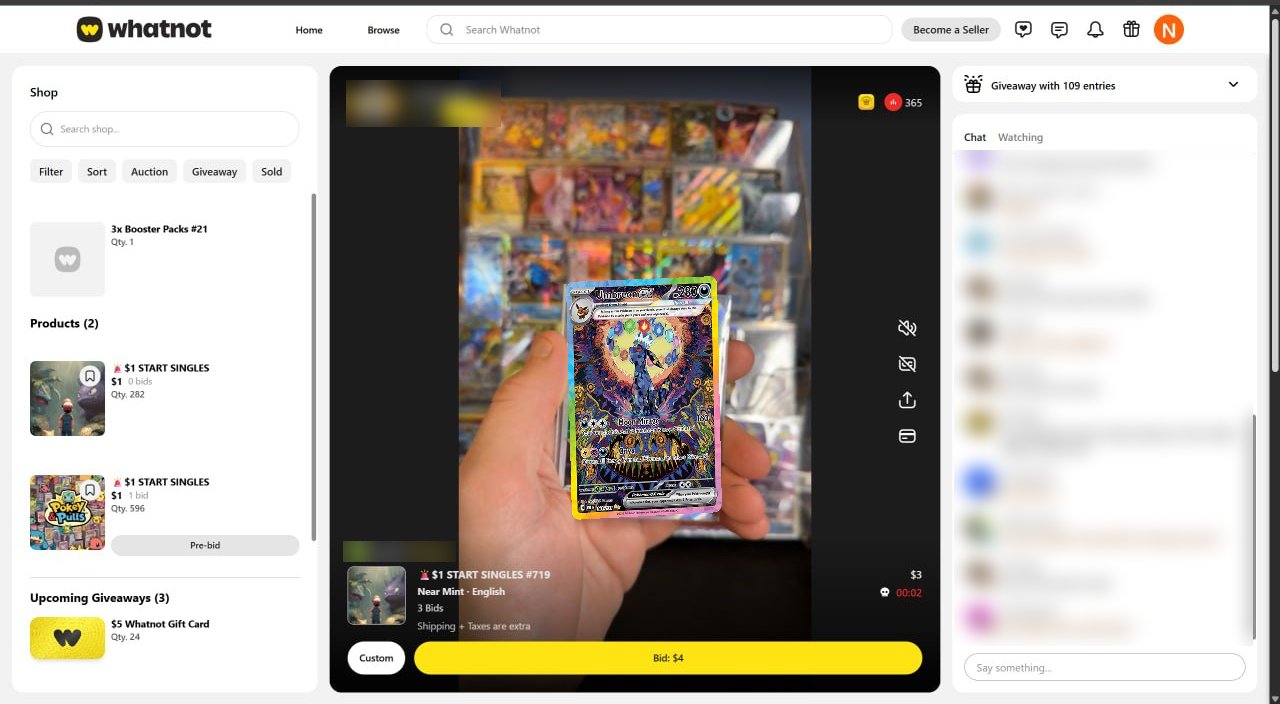
Graders look at four things: centering, corners, edges and surface. You can check all four yourself with a phone camera and some patience — or let CardDex Pre-Grade do the measuring.
Centering
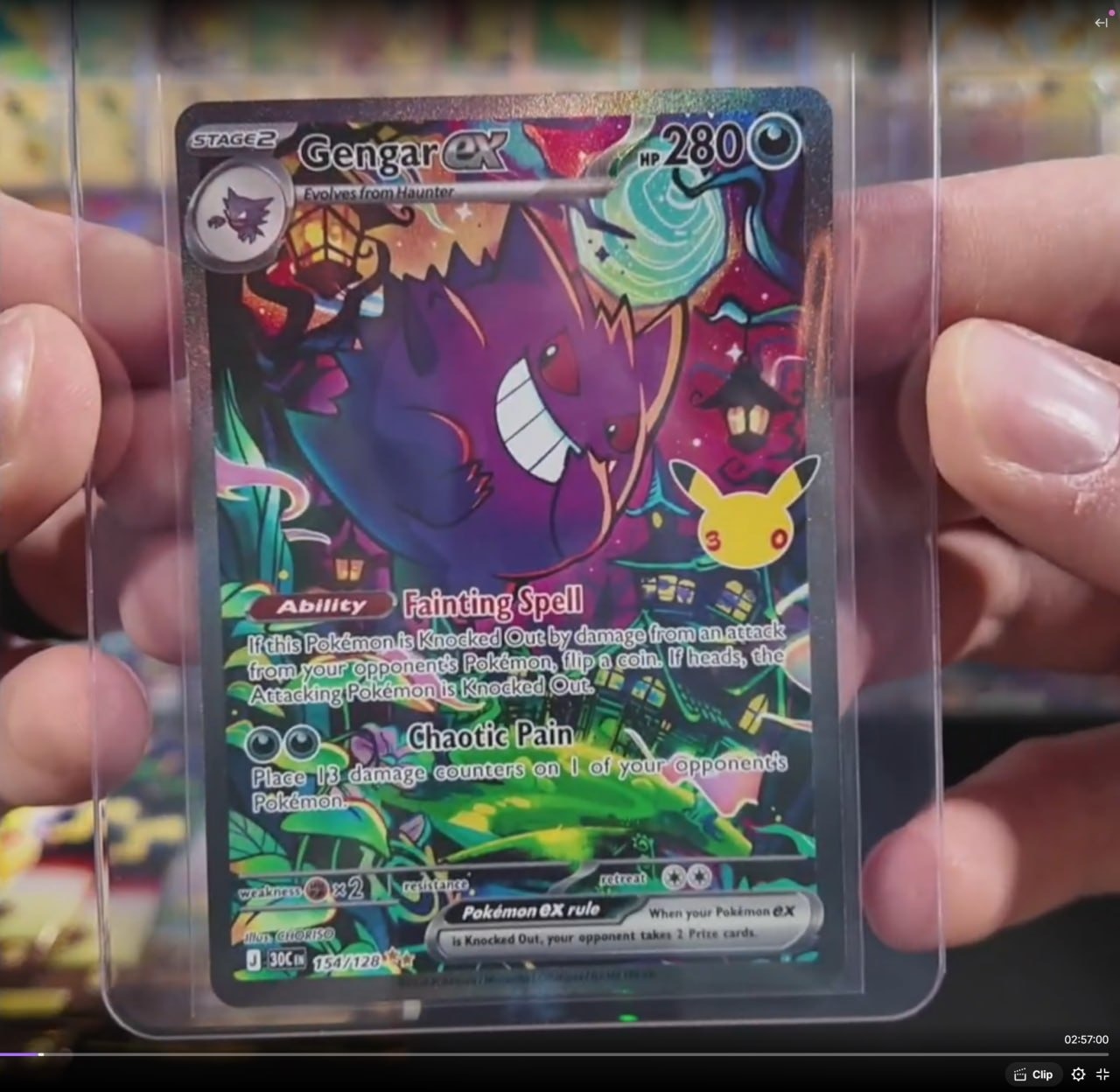
Compare the border on the left to the right, and top to bottom. PSA's standard for a 10 is 60/40 or better on the front. Pre-Grade lines the card up and measures it so you are not eyeballing.
Surface
Tilt the card under a light. Scratches, print lines and whitening show up as the light moves. Pre-Grade's surface pass with filters makes small scratches easier to spot and lets you tag what you find, front and back.
Corners and edges
Look for whitening on the back edges and any softness on the corners. One soft corner usually caps a card at a 9 or lower.
Check 2: is the grade worth more than the card?
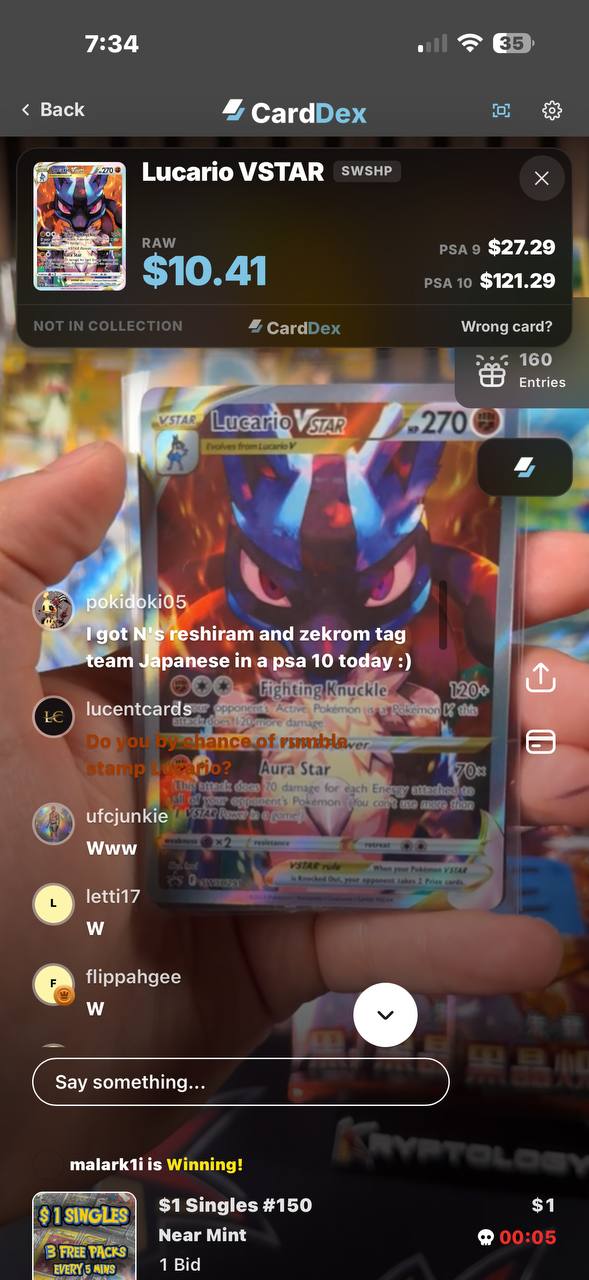
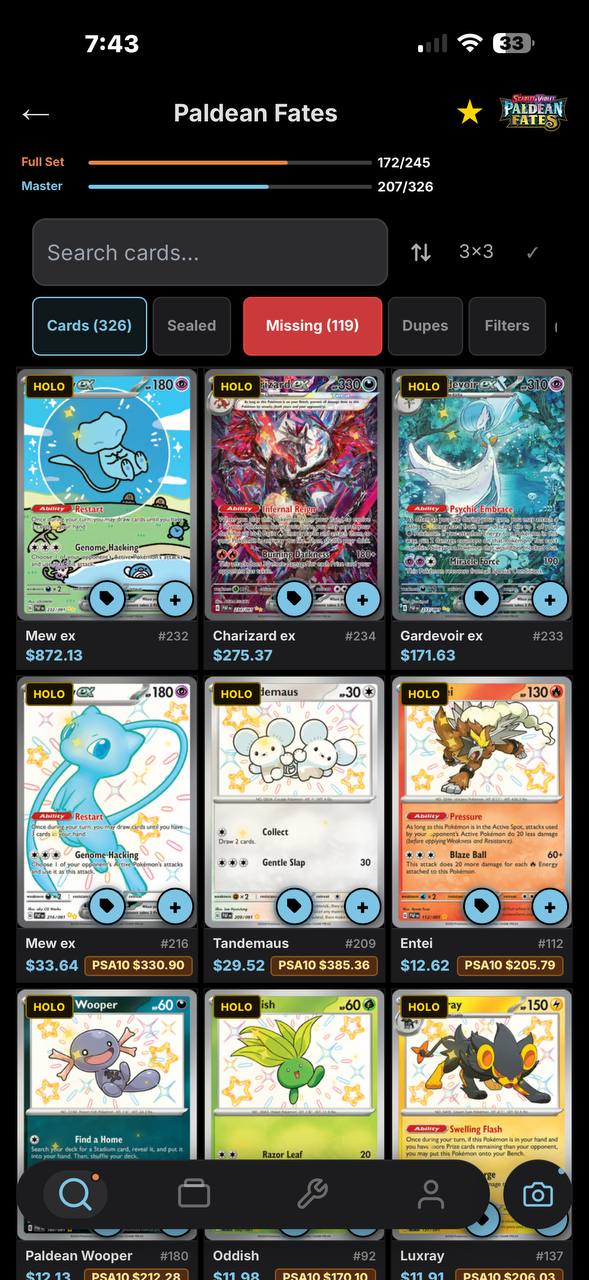
This is the part people skip. Look at the raw price and the PSA 9 and PSA 10 prices for that exact card and print. CardDex shows all three on every card page. Then subtract what grading will cost you: the grading fee for that card's value tier, shipping to the grader and back, and your time.
- If PSA 10 is not far above raw, grading only pays if you are sure of a 10 — and nobody is sure of a 10.
- If PSA 9 is barely above raw, a 9 result means you paid to grade a card that is now harder to sell.
- Pre-Grade puts this math on screen: the break-even grade for that card at current prices, using real comps.
When grading makes sense
- The card is clean, well-centered, and a 10 is worth several times raw.
- You are selling, not keeping — a slab is easier to sell for full value than a raw card that a buyer has to trust.
- It is a vintage or chase card where authentication alone adds value.
Free for your first 5 checks. Centering, surface, and the grading math on one screen.